


Are You Ready to Explore Creative Hobbies Across the United States?
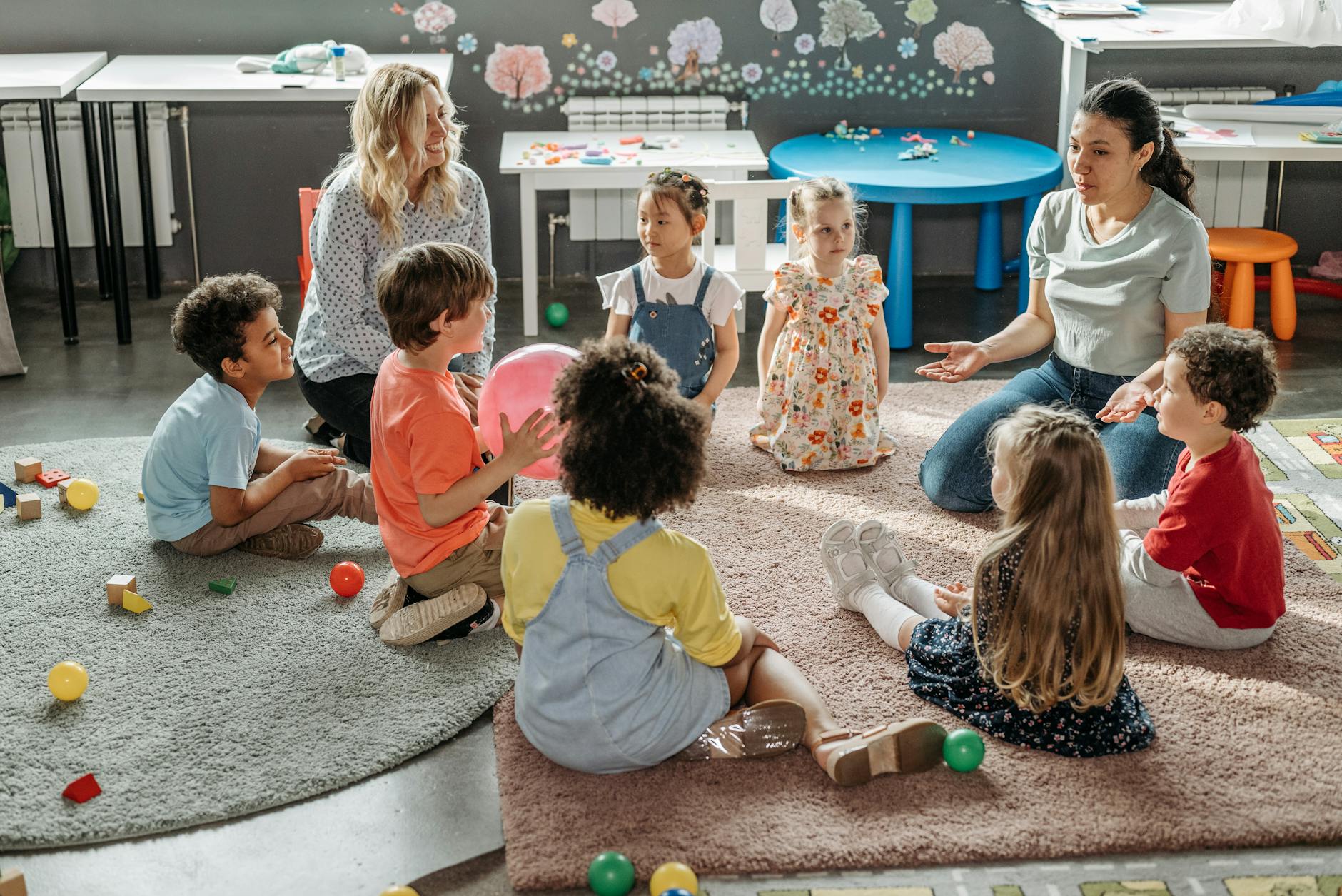
Exploring Painting Activities
Virtual Paint Classes for Everyone
For those of us constantly weaving through the vibrant intersections of tech festivals like SXSW in Austin, taking a pause to delve into something tactile can be invigorating. Imagine connecting with other creative souls through virtual paint classes that break the monotony and spark your inner artist. These classes offer a flexible and accessible way to experiment with different painting styles without needing to step out of your comfort zone.
Opting for these digital sessions, you can expect guided experiences that rival those of in-person workshops. They often provide you with a list of required materials ahead of time, allowing you to prepare and even select styles or themes that resonate with your personality. By offering a mix of live sessions and recorded tutorials, they cater to diverse schedules and learning preferences.
Whether you’re looking to brush up on your painting skills or seeking a novel way to bond during remote get-togethers, virtual paint classes can be quite impactful. They serve as excellent team building activities nyc families or online friend groups, transforming ordinary video call catch-ups into memorable, creative outings. Additionally, these classes can act as a rejuvenating break from the constant hum of tech-driven activities and encourage you to explore skills that engage different skillsets.
Exploring Painting Activities
Virtual Paint Classes for Everyone
Virtual paint classes have emerged as an exciting opportunity to break away from the traditional and embrace creativity from the comfort of your home. These classes are designed to cater to everyone, regardless of skill level. You can get started with just a few supplies: canvas, brushes, and paint, often shipped directly to your door. Many classes focus on different themes, from abstract art to realistic landscapes, and they encourage you to explore your creativity without the pressure of perfection.
Paint and Sip Events Nationwide
It's interesting to see how paint and sip events have gained popularity, offering a unique twist on the classic art class. In places like paint and sip NYC and paint and sip San Francisco, you'll find venues where participants can enjoy a glass of wine while creating a masterpiece. This relaxed atmosphere is perfect for those looking to unwind and socialize, layered with creativity. Austin, known for its booming tech scene and vibrant arts culture, could certainly draw inspiration from these cities by hosting similar events at venues known for their intriguing vibes, like creative workshops in East Austin.
Interactive Mural Projects to Join
Public art has always been a wonderful way to bring communities together, and interactive mural projects are no exception. These projects allow you to collaborate with artists and locals in transforming urban spaces with vibrant art. Whether it's a budding initiative in your neighbourhood or a well-organized project, participating in mural painting enables you to leave a personal mark on the cityscape while meeting like-minded individuals. Such activities could be an enriching counterpart to the interactive installations at the Thinkery, fostering even more creativity and discussion in Austin.
Engaging in Culinary Arts
Exploring the culinary arts can be an exciting way to embrace new experiences and indulge in creative activities. Not only does it offer a chance to try different cuisines, but it provides a hands-on opportunity to learn new skills. If you're in New Orleans, consider signing up for immersive cooking classes that delve into local Cajun and Creole dishes, providing you with an authentic taste of the region’s culinary heritage. Whether you're an aspiring chef or a home cook seeking variety, local options abound with both traditional and innovative recipes.
If you're looking for a sweet adventure, Chicago's baking workshops offer an excellent opportunity to master the art of pastries and breads, guiding you through techniques that transform basic ingredients into sensational treats. These workshops cater to all skill levels, making them a perfect choice for both newbies and seasoned bakers.
Moreover, for those interested in nutritional knowledge and sustainability, the farm-to-table experiences in other cities combine culinary creativity with learning about where your ingredients come from. These experiences not only enrich your palette but also offer insight into the journey of food from farm to fork.
Imagine sharing this culinary journey with friends by offering them an experience gift card. This gesture adds a personal touch, much like discussing bachelorette party ideas while savouring the atmosphere of interactive installations at the Thinkery. Engaging in the culinary arts can transform mealtime into a fulfilling adventure, offering new flavors and skills to everyone involved.
Creating with Woodworking
Beginner-Friendly Woodshops
Embarking on a new hobby like woodworking offers a tactile escape from the digital world, a chance to shape your thoughts into tangible creations. As someone who immerses themselves in solving complex software problems, you might find it refreshing to work with your hands and see immediate results. Look for beginner-friendly woodworking classes in your area, which often provide the essential tools and guidance needed for novices.
DIY Furniture Building
For a practical project that also serves your home, consider DIY furniture building. These classes generally allow you to pick a piece of furniture to create, like a coffee table or a bookshelf, making the experience both rewarding and functional. The construction process encourages problem-solving and enhances spatial awareness, aligning well with experience gifts that offer both creativity and challenge. Plus, there's genuine satisfaction in crafting something useful by yourself.
Community Woodworking Events
Joining community woodworking events is an excellent opportunity for both learning and networking with fellow enthusiasts. These groups often host events where you can learn from experienced crafters and share your creations. Building connections in these workshops echo experiences similar to attending tech events, providing a sense of community and support. If you're ever in New York, joining a workshop can offer insights into the art scene, akin to the dynamic pottery classes nyc are known for. Engaging in these activities invigorates your daily routine and enriches your leisure time.
Avoiding Common Mistakes
Managing Your Schedule
It's tempting to dive headfirst into every class, workshop, or event that catches your eye, especially with all the vibrant energy flowing through Austin’s creative scene or the techno-wonders of the tech events at SXSW. However, overcommitting can turn your newfound hobby into a source of stress instead of enjoyment. I’ve learned from experience that stepping back to evaluate my schedule is crucial. Carve out dedicated time slots for your creative pursuits and ensure they're balanced with other commitments.
Embracing Expertise
We often underestimate the value of proper instruction. Despite the allure of jumping straight into things, attending classes with knowledgeable instructors—like the interactive installations at the Thinkery or creative workshops in East Austin—provides invaluable guidance. They elevate your skills and prevent you from developing bad habits. As someone who's attended poorly instructed sessions, I can assure you that credible instruction makes a difference in not just technique, but also in fostering genuine passion.
Seizing Local Opportunities
It’s easy to overlook local opportunities when you're eager to try new things, but that’s where you may find hidden gems. My advice? Start by exploring what's available around you—whether it’s a new pottery class opening in your neighborhood or a spontaneous painting pop-up. By supporting local ventures, you enrich community ties and often experience unexpected joy in familiar settings. Plus, you never know who you might meet. Perhaps a fellow hobbyist just as passionate, curious, and inspiring as you are.